
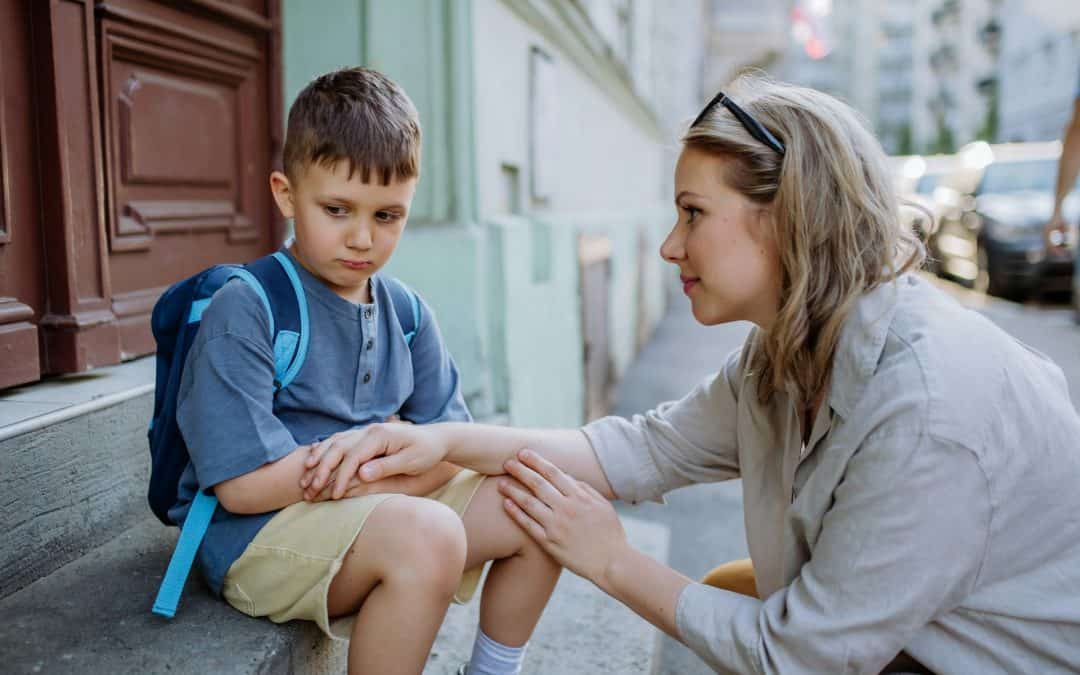
Spring in San Antonio usually brings warming weather, outdoor fun, and a shift in school rhythms. While many kids enjoy this time of year, some start to show signs that something feels off. Changes to daily routines, upcoming tests, or the thought of summer break around the corner can stir up feelings they don’t know how to name. When simple adjustments no longer feel simple, anxiety can start to take hold.
As school calendars shift, it helps to know what to watch for. Parents often notice changes but might not always connect them to deeper worries. Understanding what anxiety might look like during spring transitions can make a big difference. And with support like anxiety counseling in San Antonio, local families don’t have to face those concerns on their own.
Sudden Changes in Behavior at Home or School
Kids don’t always say they’re anxious in words. Instead, they often show it through sudden changes in how they act. Some parents might notice a child who’s usually independent suddenly becoming clingy before school. Mornings get tense, with kids stalling during breakfast or refusing to go at all.
You might also see:
- Frequent outbursts or moments of anger that come out of nowhere
- Crying more often, especially over small things that didn’t use to bother them
- Reports from school staff that your child seems withdrawn, distracted, or not themselves
These changes might seem like phases or moodiness, but when they continue, especially during times like the spring shift, they can point to something deeper brewing. Sometimes these challenges are temporary, yet if they linger or become a pattern, it raises a flag worth noticing. Taking note of unexpected reactions or sudden shifts can be a helpful way for families to catch the early signs before they grow.
Physical Clues That Might Seem Like Something Else
Anxiety doesn’t just live in the mind. Kids often feel it in their bodies before they can talk about it. A child might regularly say their stomach hurts or complain of headaches, but when you take them to the doctor, there’s no medical explanation.
These red flags may pop up more often around school days:
- Trouble falling asleep or waking up too early
- Recurring bad dreams for no clear reason
- A lower appetite or saying food “doesn’t taste good”
- Complaining that they’re too tired, even after what seemed like a good night’s sleep
Because these symptoms can look like illness or growing pains, they sometimes get missed. But when we look at the timing, right before tests, class presentations, or other school events, they start to make more sense. Paying attention to when and how often these complaints arise can offer insight. Parents may find that keeping a simple journal of symptoms helps them recognize patterns linked to particular school demands or routine shifts.
When Everyday Worries Last Too Long
Worry is part of growing up. It’s normal for kids to be nervous on the first day of something new. But when those worries stick around longer than expected or grow bigger with time, it could be anxiety.
Here are a few things to look for:
- Worries that don’t go away, even weeks after a new routine has started
- Getting upset about events that haven’t happened yet, like summer changes or switching classrooms
- Getting stuck on tiny details like seating charts, classroom rules, or forgetting a bookmark
We all worry sometimes, but anxiety tends to be more intense, more constant, and much harder to shake, especially for kids who don’t yet have the words to explain what’s going on inside. If you notice your child asking repeated questions, looking for reassurance, or needing extra comfort for small or future events, these might be clues. Some children may try to avoid school altogether, or they might get upset when routines change unexpectedly. Early attention can help families support children before worries become overwhelming.
How Spring Transitions Can Trigger Anxiety
Spring isn’t just about warmer days and end-of-year field trips. It’s also when students start to feel the buildup of academic responsibilities. Testing weeks, shifting classroom roles, and the upcoming break can all feel overwhelming, especially for children who typically like routine and predictability.
During this season, we might see:
- Kids acting extra nervous about state testing or final assessments
- Confidence taking a dip if friendships change or feel less steady
- Nervous talk about summer plans, even if they’re still months away
The trick with spring isn’t just the changes themselves, but how they all come at once. These overlapping transitions can turn regular stress into something harder to manage. Families might see their kids asking more questions about small things, wanting extra reassurance about what comes next, or worrying about things far in the future. Preparing kids for these changes through small conversations or keeping some home routines steady can bring a sense of comfort.
Specialized Help for Spring Anxiety in San Antonio
If you notice these signs of anxiety in your child, reaching out to a professional in San Antonio can provide the right support. We specialize in therapy for children starting as young as age four, using evidence-based methods that address anxiety and support emotional growth. With options for both in-person and virtual counseling, local families can get help quickly thanks to same-week appointments and no waitlists.
Another key aspect is our dedication to culturally sensitive care. We offer services in both English and Spanish, and families have the option to request a faith-based Christian counseling approach. This flexibility helps ensure each child and family is supported in a way that respects their background and values.
Having easy access to support during spring can make the season easier for the whole family. The right help allows parents to feel less alone and helps children understand that what they are feeling is normal and can get better. Therapeutic guidance not only addresses anxiety itself, it can strengthen coping skills and build family routines that reduce stress going forward.
Empowering Your Family This Spring
The spring season can make kids feel like everything’s moving fast. Some handle it fine, while others feel uneasy and unsure. By knowing what early signs of anxiety can look like, such as clinginess, tummy aches, trouble sleeping, or constant worry, you’re better prepared to help.
Listening carefully, asking gentle questions, and paying attention to patterns can go a long way. Giving your child regular encouragement to share feelings, drawing out worries through art or play, or checking in on how their day went may bring hidden concerns to light. Support doesn’t always fix things overnight, but it helps kids feel seen and heard. In times of change, that can make all the difference.
Spring transitions can sometimes stir up deeper worries in children that require extra care and understanding. We support families facing these challenges by providing access to anxiety counseling in San Antonio that fits your child’s unique needs. At La Luz Counseling, we create a welcoming environment where every concern matters. If the time feels right, schedule a session with us.
Click here to schedule a time to talk with one of our counselors.
Recent Comments