
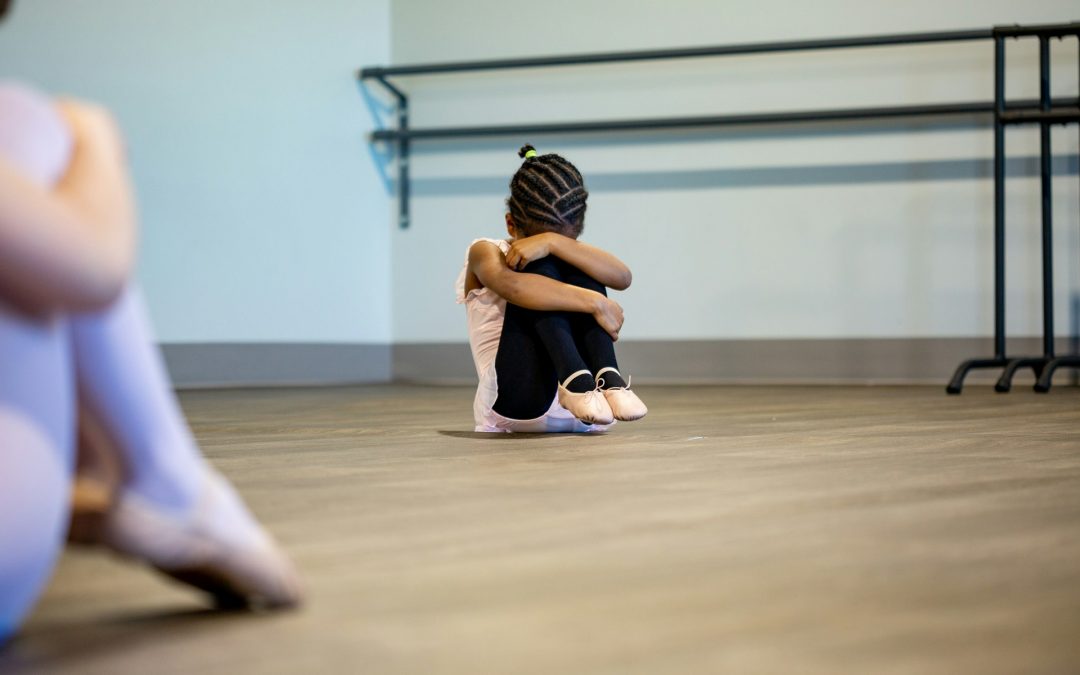
Kids can feel anxious just like adults do, but it doesn’t always show up the same way. A child might not say, “I feel anxious,” so it can be tough to tell what’s really going on. Instead of sharing their feelings with words, children often show them through behaviors.
Anxiety in kids can look a lot like other everyday problems, which is why it’s easy to miss. But when we learn what signs to watch for, we give kids a better chance to feel more at ease day to day. From success at school to friendships and family life, spotting anxiety early can make a big difference. For families in San Antonio, knowing how to find the right child therapist in San Antonio can help you take that next step when you’re ready.
What Anxiety Looks Like in Kids
Anxiety in kids doesn’t always look like worry. Sometimes, it shows up through what their bodies or behaviors are telling us. Look out for signs they’re not feeling okay, even if they don’t say so directly.
- Physical symptoms are common. A child may complain often of a stomachache or have frequent headaches, even if the doctor says nothing’s wrong physically. Trouble sleeping, especially falling or staying asleep, is another clue.
- Changes in behavior can be another sign. A child who was once outgoing may become more quiet and shy. You might notice them crying more, sticking close to a parent, or not wanting to go places they usually enjoy.
- Some kids don’t get quiet, they act out instead. This can look like getting angry quickly, yelling over little things, or refusing to do everyday tasks. These changes might seem like discipline issues at first, but they can be signs of anxiety underneath.
When Worry Becomes Too Much
Everyone worries sometimes, even kids. But there’s a point where everyday worry stretches into something bigger. That’s when it’s time to pay closer attention.
It helps to think about how often the worry shows up. If your child seems nervous once in a while, especially before something big like a test or a game, that’s pretty common. But if it feels like they’re worried almost every day, about big things and small things, that could be something more.
Watch for behaviors like avoiding school, not wanting to attend birthday parties or sports practices, or always needing to check in with you before trying something new. If you’re unsure whether what you’re seeing crosses a line, anxiety counseling in San Antonio can help you find clarity. If a child no longer wants to do things they used to enjoy, like playground time or sleepovers, that can be a sign their anxiety is getting in the way. Asking for constant reassurance, even when nothing has changed, can also be a clue.
Younger Kids vs. Older Kids: What to Watch For
Age can shift how anxiety shows up. Younger and older kids may both feel worried, but the signs can be pretty different.
Younger children often don’t have the words yet to explain what’s happening inside. They might say things like, “My tummy hurts,” “I don’t want to go,” or cry without a clear reason. They may cling to a parent more often or melt down when plans change.
Older kids might have better words, but that doesn’t mean they always use them. They may hide their stress behind a quiet front or say things are fine when they aren’t. Some might throw themselves into school or hobbies, while others pull away from everyone. Sudden changes in how they act around friends or at home, like snapping at others, losing patience, or acting shut off, can be red flags.
It can help to start simple, open conversations like, “You seemed a little off today. Want to talk about it?” These gentle invitations give kids room to share when they’re ready.
What Causes Anxiety in Children
Sometimes there’s an obvious reason a child feels anxious. Other times, it seems to come out of nowhere. The truth is, many factors can play a role.
- Big changes are common triggers. Moving to a new city, divorce in the family, a change in routine, or the loss of a loved one can all bring up fearful feelings.
- School stress can be a major source, too. Tests, friendship tension, or pressure to do well might cause more worry than parents realize.
- Some kids carry memories they can’t shake, such as going through an illness, injury, or something scary. In those cases, trauma counseling in San Antonio may be especially helpful. Even if they don’t talk about it, those feelings can resurface in sneaky ways.
- There are kids who are naturally more sensitive to new situations or big emotions. If anxiety runs in the family, a child might be more likely to feel it, too.
It helps to remember that no one caused their anxiety, and no one is to blame. Some kids are simply more likely to feel pressure or respond in a big way to the things happening around them.
Why Getting Help Makes a Big Difference
Waiting to “grow out” of anxiety isn’t usually enough. While some worries fade with time, others just get bigger if they don’t get understood or supported.
Reaching out early can give kids the tools they need to feel better. Research from the American Academy of Pediatrics supports early intervention as one of the most effective approaches for childhood anxiety. Talking with a professional can help kids learn ways to calm their thoughts, speak up about their feelings, and feel more in control again. If your family’s faith is an important part of how you approach healing, Christian counseling in San Antonio offers a space where both are welcome. When kids understand what’s going on inside them, it makes room for more fun, focus, and connection in their everyday lives.
Support doesn’t only help the child, it helps those around them, too. Families might feel relief just knowing there are real steps that can lead to change.
Accessible, Expert Care for Kids in San Antonio
Many families in San Antonio appreciate flexible access to care, and we offer same-week appointments to help children start feeling better without long wait times. Our team provides therapy in both English and Spanish, making support available to a wider range of families in the community. Children ages 4 and up can benefit from evidence-based therapy methods in a welcoming environment, either in-person or virtually, depending on your family’s needs.
You’re Not Alone: Steps Toward Support
Lots of parents wonder if their child’s behavior is something to be concerned about. That’s completely normal. It can be hard to tell the difference between “just being a kid” and something deeper.
The best thing we can do is keep watching with care and stay open to what we’re seeing. Kids aren’t always able to explain what’s wrong, but little changes in how they act can speak volumes.
Finding a child therapist in San Antonio you trust gives you a place to ask questions and find new ways to help. You don’t have to figure it all out without support, and you definitely aren’t the only one going through it. Starting that conversation can be one of the best gifts you give your child.
At La Luz Counseling, we know how much it matters to find caring support when your child is showing signs of anxiety. Sometimes a small change in their behavior can mean there’s something deeper going on, and having someone who listens and guides families can make a real difference. If you need a child therapist in San Antonio, we’re here to talk things through and offer support that fits your child’s needs. You don’t have to figure things out on your own. Reach out when you’re ready.
Recent Comments